How to Prepare Your Home’s Power System for a Remodel
If you are planning a home renovation or adding new space, your current electrical panel may not have enough power to handle it. An Electrical Panel Upgrade increases your home’s capacity so new rooms, appliances, and lighting can run safely. Without the right panel size, you may face tripped breakers, dim lights, or overloaded circuits. Planning for more power early helps your project move smoothly and pass inspection.
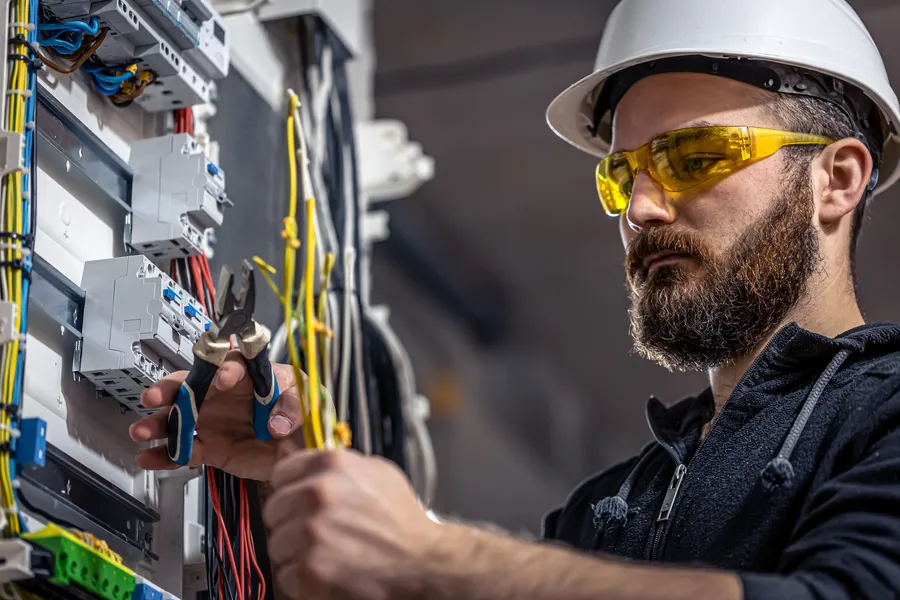
What to Check Before You Start Your Renovation
Before walls are opened or new wires are run, you need to know what your panel can handle. Many older homes still have 100-amp service. Larger homes and modern appliances often need 200 amps or more. If you are adding a kitchen, bathroom, HVAC system, or EV charger, your load will increase.
Here is what to review first:
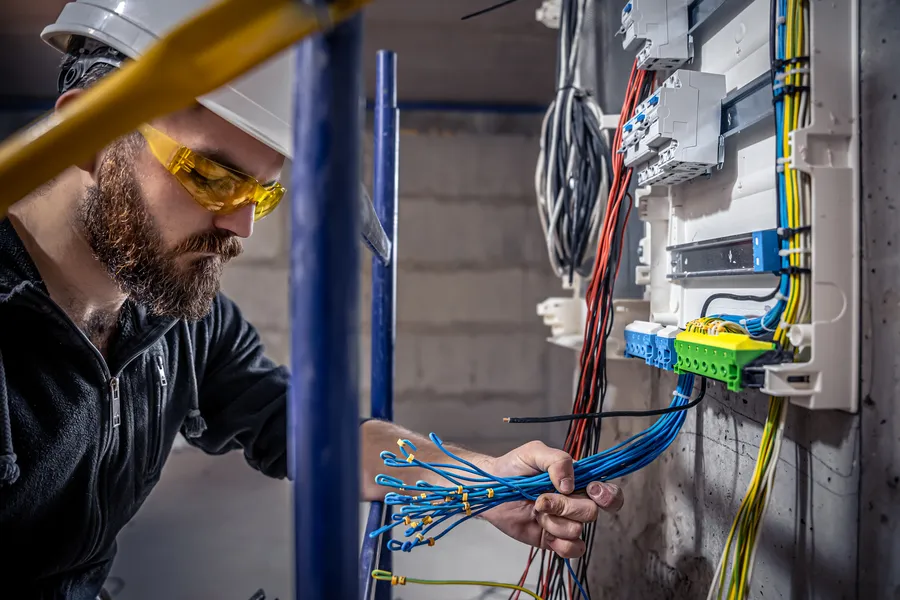
- Current panel amperage rating
- Number of open breaker slots
- Condition and age of the panel
- Planned new appliances and systems
- Local code requirements and permits
A licensed electrician can calculate your home’s total electrical load. This helps you decide if an Electrical Panel Upgrade is needed before construction begins.
Step-by-Step: How an Electrical Panel Upgrade Fits Into a Remodel
Upgrading your panel is usually done early in the renovation process. This allows new circuits to be added as other work continues.
- Load calculation: The electrician reviews your existing and future power needs.
- Permit approval: The proper permits are pulled according to local electrical service rules.
- Power shutdown: Utility power is disconnected for safe work.
- Old panel removal: The outdated panel is removed and wiring is labeled.
- New panel installation: A larger panel box and new main breaker are installed.
- Reconnect and test: Circuits are reconnected, grounded, and tested for safety.
- Inspection: A local inspector approves the work before final use.
Most panel upgrades can be completed in one day, though inspections may add time to your schedule.
Common Mistakes Homeowners Make During Renovations
One mistake is waiting until the middle of the remodel to address power needs. By then, walls may already be closed, which increases labor and cost.
Another issue is adding too many new circuits without upgrading the panel. This leads to overloaded systems. Some homeowners try to add tandem breakers to squeeze in more circuits. This is not always safe or allowed by code.
Ignoring an old or recalled panel brand is also risky. Certain outdated models are known for breaker failure and fire hazards. A remodel is the right time to replace them.
When a Professional Is Needed
An Electrical Panel Upgrade is not a DIY project. The main service lines entering your home carry high voltage. Mistakes can cause serious injury or fire.
You should call a licensed electrician if:
- Your breakers trip after plugging in new appliances
- Lights flicker when large equipment starts
- You are adding central air, a hot tub, or an EV charger
- Your home still uses a fuse box
- Your panel is over 25 to 30 years old
A professional also handles permits and coordinates with the utility company. This keeps your project on schedule and up to code.
Planning for Future Growth
When upgrading your panel, think beyond your current remodel. You may want solar panels, battery backup, or an electric vehicle in the future. Choosing a panel with extra capacity now can save money later.
Even if your renovation is small, added outlets, lighting, and smart home systems all increase demand. A properly sized panel supports your home safely for years.
Get Help With Your Panel Upgrade
If you are planning a remodel in Fayetteville, AR, make sure your power system is ready for the added load. At Davis Electric, we handle Electrical Panel Upgrade projects that support safe and code-compliant renovations. We review your plans, calculate your needs, and complete the work with minimal disruption. Call us at (479) 378-4233 to schedule an evaluation and prepare your home for its next upgrade.