What Goes Wrong During Setup and How to Avoid Costly Problems
The most common mistakes in home generator installation include choosing the wrong size unit, placing it in an unsafe spot, skipping permits, and wiring it the wrong way. These errors can lead to poor performance, safety hazards, and failed inspections. Knowing what goes wrong helps you avoid expensive repairs and keep your home safe during a power outage.
Quick Diagnosis Summary
Many generator problems start before the unit is ever turned on. A bad setup can cause overloads, backfeeding, noise complaints, or even fire risks. In most cases, the issue is not the generator itself. It is how the home generator installation was planned and completed.
Common Symptoms of a Bad Installation
If a generator is not installed the right way, you may notice issues fast. Some show up during the first outage. Others appear over time.
- The generator shuts off when too many appliances run.
- Lights flicker or power feels weak.
- The unit is very loud or shakes a lot.
- You smell gas near the generator.
- The system fails a city inspection.
These signs often point back to mistakes made during setup.
Likely Causes of Installation Mistakes
Many problems come from rushing the job or trying to cut costs. A standby generator is part of your home’s electrical system. It must connect the right way.
Common causes include:
- Picking a generator that is too small for the house.
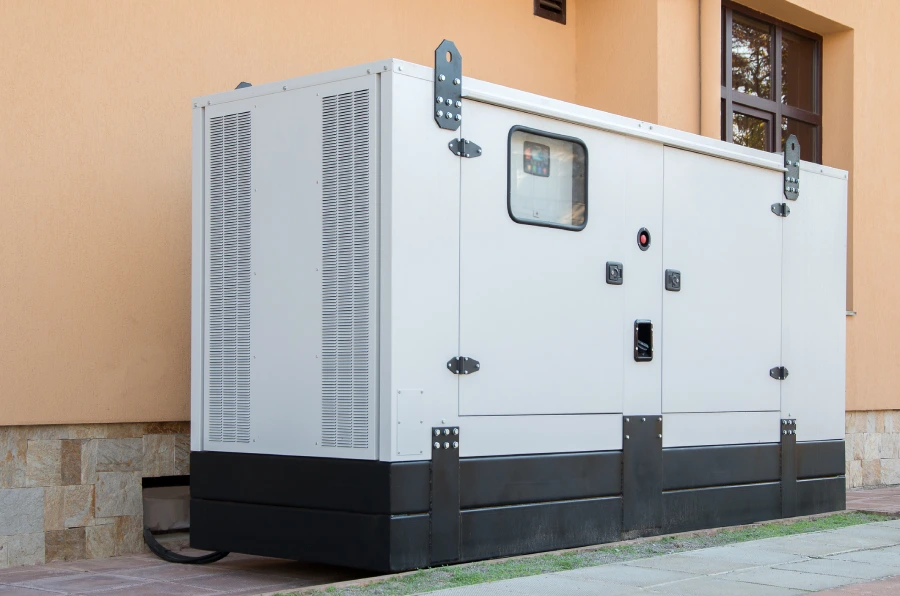
- Placing the unit too close to walls or windows.
- Not installing a proper transfer switch.
- Using the wrong wire size.
- Skipping local permits and inspections.
Some homeowners try DIY work without full knowledge of electrical service rules. Others hire contractors who do not focus on home backup systems. Either path can lead to trouble.
What to Check First Before Installation
Before starting a home generator installation, check your power needs. Add up the wattage of the main appliances you want to run. This often includes:
- Refrigerator and freezer
- Heating or cooling system
- Well pump or sump pump
- Lights and outlets
- Medical equipment
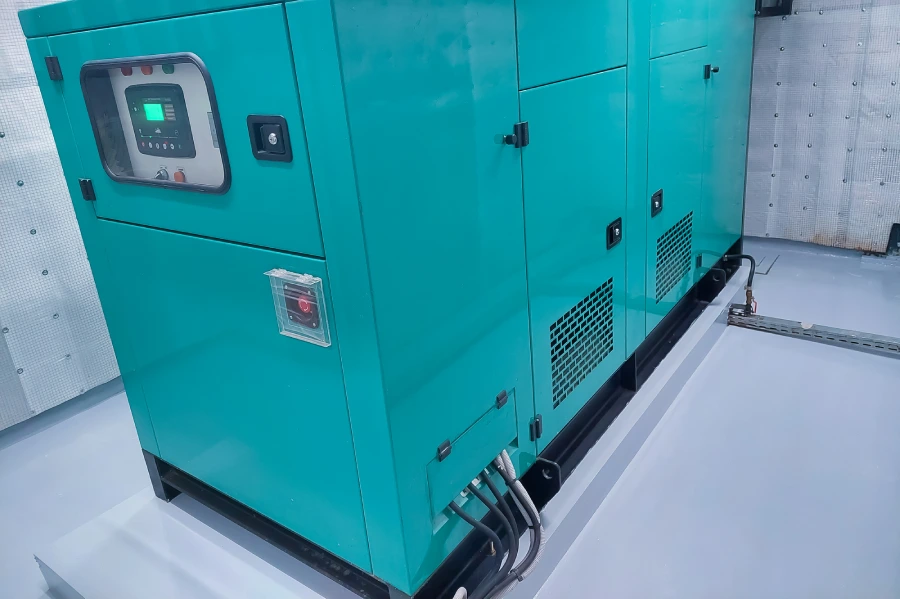
Next, review your electrical panel. It must have space for a transfer switch. You also need a safe outdoor spot with proper clearance from doors and windows. Gas line capacity is another big factor. An undersized gas line can choke the generator and cause shutdowns.
Safe Fixes Vs Pro-Level Fixes
Some minor issues are easy to correct. Others require a licensed electrician or generator specialist.
Safe fixes may include:
- Clearing debris around the unit.
- Adjusting mounting bolts to reduce vibration.
- Resetting breakers after overload.
Pro-level fixes often involve:
- Upgrading the transfer switch.
- Replacing undersized wiring.
- Moving the generator to meet code.
- Upgrading the gas meter or gas line.
Incorrect wiring is one of the most serious errors. Backfeeding power into utility lines can harm line workers and damage your home. This is never a DIY fix.
Prevention Tips for a Smooth Installation
A smooth home generator installation comes down to planning and skilled work.
- Get a professional load calculation.
- Choose the right generator size.
- Install a code-approved transfer switch.
- Pull proper permits.
- Schedule a final inspection.
Do not place the generator on soft ground. It should sit on a stable pad. Keep it far enough from windows to prevent exhaust from entering your home. Regular testing after installation also helps catch small issues before the next storm hits.
When to Call a Professional
If your generator stalls, smells like gas, or fails inspection, it is time to call for help. The same is true if you are planning a new home generator installation and feel unsure about sizing or wiring. Power systems connect to your main electrical panel. Mistakes can lead to fines, damage, or injury.
A qualified team understands local codes, fuel requirements, and proper grounding methods. They also help match the generator to your home and electrical service setup.
Get Reliable Backup Power Without the Headaches
If you are planning home generator installation in Fayetteville, AR, we can help you avoid these common mistakes and set your system up the right way. At Davis Electric, our team handles everything from load calculations to final inspection so your backup power works when you need it most. Call us at (479) 378-4233 to schedule a consultation and get started with a safe, code-compliant installation.